
As rates of mental health issues among college-age students on campuses have been rising, colleges and universities have been taking steps to try to provide better mental health supports. In a 2020 report, the National Institutes of Health reports that college students are a population group that is considered particularly vulnerable to mental health concerns. Mental health symptoms can affect students’ motivation, concentration, and social interactions—important factors for them to be successful in college.
The current COVID-19 pandemic has exacerbated this already escalating trend. According to a recent BestColleges.com survey, 95% of college students have experienced negative mental health symptoms as a result of COVID-19-related circumstances. Almost half (48%) believe the mental health effects have directly affected their education. The main issues they described were difficulty with concentration, disruption to sleep patterns, and increased social isolation; 57.7% of college students confessed that they have felt “overwhelming anxiety” in the prior year.
So, what can parents and guardians do when they find themselves caregivers again to their college age children who are struggling with their mental health; not just because they are parents but because their child has moved back into the home due to their school closing because of the pandemic?
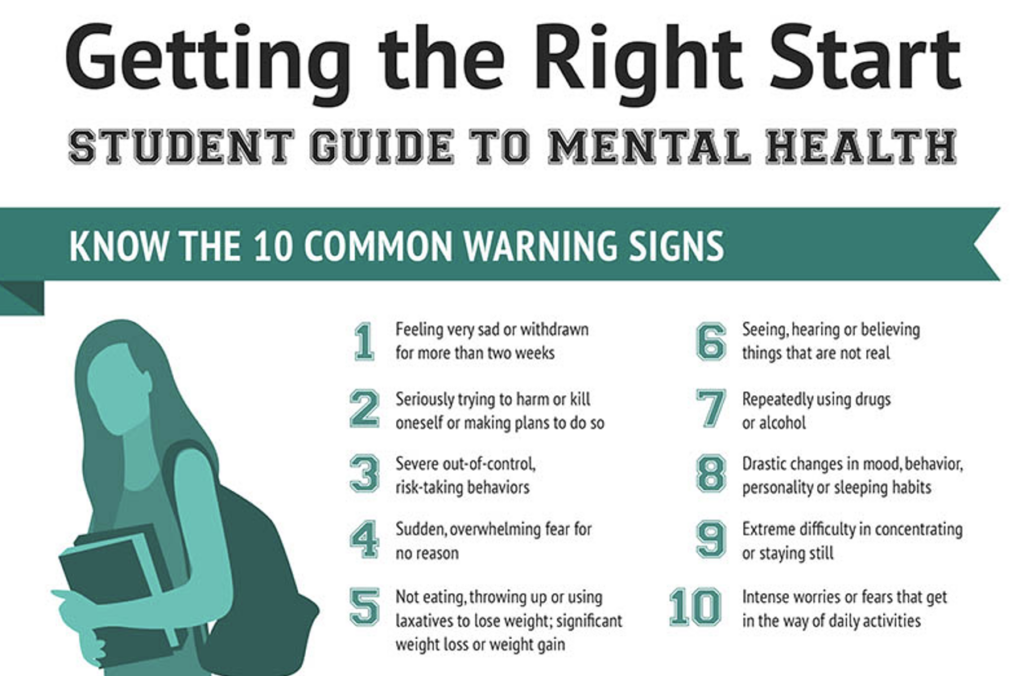
Know the warning signs:
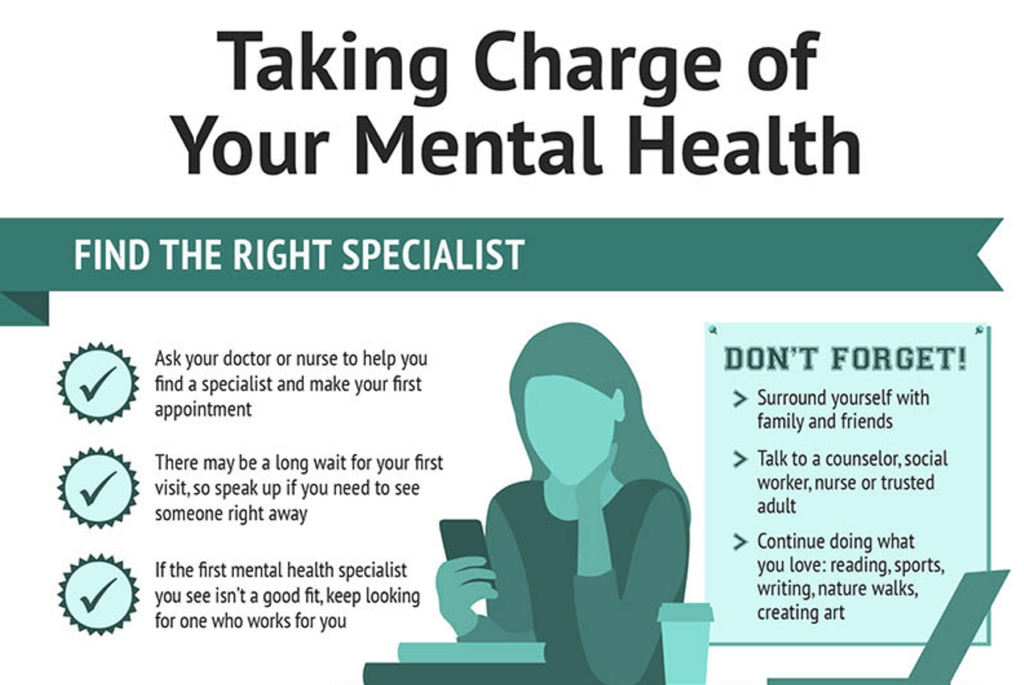
Seek help when needed: Only 9% of college students decide to seek professional help on campus even though 72% of campus presidents have reallocated funding to support mental health services. Talk to your child about mental health, just like you would about physical health. If a student you know is struggling, make sure they know they are not alone; that there is a lot of help out there and you are committed to helping them find it. What if there are no mental health services on campus? Support groups offered by organizations like The National Alliance on Mental Illness (NAMI) or Mental Health America (MHA) are a good option to connect to. They can also be a wonderful support for young adults (and their parents) who are not enrolled in school at all.
Empathize and be compassionate: Your child lost part of his or her college experience; perhaps he or she missed out on significant rituals, like graduation and awards ceremonies. Maybe it is just social events in general that your student is missing. Much of his or her mental distress right now may be tied to grief and loss. So, “empathize and be compassionate: that’s what people dealing with grief and loss need most. Your job as a parent is to act as a stable, calm, grounding voice of wisdom and comfort.”
Foster that independence your college kid had on campus and support getting back to campus sooner than later. Talk through fears your student may have about going back to campus. Remind them that they have the tools they need to make good decisions. Make sure they know what (campus) resources are available to them, both in person and virtual. Many students who returned to living with their families, especially during lock down, felt suddenly less independent and the more distracted.
Encourage reengagement in social life: A key role of friends is to help people stay motivated and to encourage them to devote effort to learning. Kids who graduate on time usually graduate in a friend group, and kids who don’t graduate on time have somehow lost social connection or they drop out. If your student wasn’t part of any clubs or groups, encourage him or her to connect with one of these. It could be a campus ministry like Athletes in Action, or an intramural sport, a club activity like chess or drama or tutoring to local high school kids. There are many options both on and off campus for students to participate in social activities. Volunteering is always a way to get back in the swing of things that is rewarding for both the giver and the receiver.
Promote resiliency by modeling it: Show resiliency through your own actions as a parent/guardian model: how to take responsibility, practice self-management and self-care, handle social relationships, and exercise self-control. Make sure your student is eating enough, drinking enough water, and getting outside. Help him or her realize that their current feelings, while perhaps intense, are transitory: The pandemic will end, they will graduate from college and/or go back to work, and a sense of normalcy and routine will return. If a young adult does need professional medical help or counseling, make sure they know there isn’t anything “wrong with them.” Lots of people need treatment during times in their life. It won’t last forever.